Chronic stress can contribute to weight gain, particularly around the belly, by altering cortisol, appetite and behaviour. The first steps worth taking are improving sleep, adding regular activity in line with UK CMO guidance, and checking with a GP whether any steroid medicine could be involved. Seek urgent medical review if you notice rapid changes in body shape, facial rounding, new bruising or marked muscle weakness.
TL;DR:
- Most stress-related weight gain occurs around the belly due to the activation of cortisol receptors in abdominal fat cells, especially in individuals with higher central fat.
- Poor sleep under stress increases hunger hormones and decreases fullness signals, leading to higher calorie intake and cravings the following day.
- Behavioral changes, including stress eating, late-night snacking, and reduced physical activity, significantly contribute to gaining weight during periods of chronic stress.
- Sudden facial and trunk fat increases, along with thin arms and legs, may indicate conditions like Cushing’s syndrome rather than normal stress responses.
- Small, consistent lifestyle changes in sleep, activity, diet, and stress management are more effective than extreme measures for reversing stress-induced weight gain.
Cortisol is not the enemy. In short bursts, it helps you respond to a threat, sharpens focus and mobilises energy. The South Tees NHS laboratory notes that cortisol is essential for survival and normal metabolism, and the problems start only when it stays switched on.
When stress becomes constant, cortisol stays elevated for weeks or months rather than minutes. That sustained exposure changes how your body handles sugar and fat.
This is distinct from an endocrine disorder. The NHS explains that everyday stress raises cortisol and can affect appetite, sleep and behaviour, but this is different from conditions such as Cushing’s syndrome or the effects of long-term steroid medicines, both of which produce a more pronounced and specific pattern of weight gain.
Stress rarely changes your weight through hormones alone. It changes what you do, and that behavioural shift is often the bigger driver.
Not everyone responds to stress the same way. People who already carry more central fat tend to show stronger cortisol and inflammatory responses to stress, according to research on socioeconomic status and central adiposity, which also found that lower socioeconomic status was linked to higher day-long cortisol. Waist measurement is a practical way to track this risk over time.
Small, repeatable changes across four areas tend to outperform any single fix.
Sleep. Keep a consistent bedtime, dim screens an hour before bed, and avoid large meals late at night. Oxford University research found that overnight metabolism worsens insulin sensitivity and liver fat production, and that eating a large share of calories late in the day made outcomes worse.
Activity. Follow the UK CMO targets of at least 150 minutes of moderate activity or 75 minutes of vigorous activity weekly, plus muscle-strengthening work on two or more days to protect muscle mass and metabolic rate.
Diet. Favour fibre and protein at meals, cut back on processed snacks, and where practical shift more calories earlier in the day.
Stress reduction. A short daily breathing exercise, a scheduled ten-minute “worry slot” to park anxious thoughts, or structured approaches such as cognitive behavioural therapy or mindfulness can lower the background stress load. Speak to a GP about psychological therapy if stress is affecting daily function.
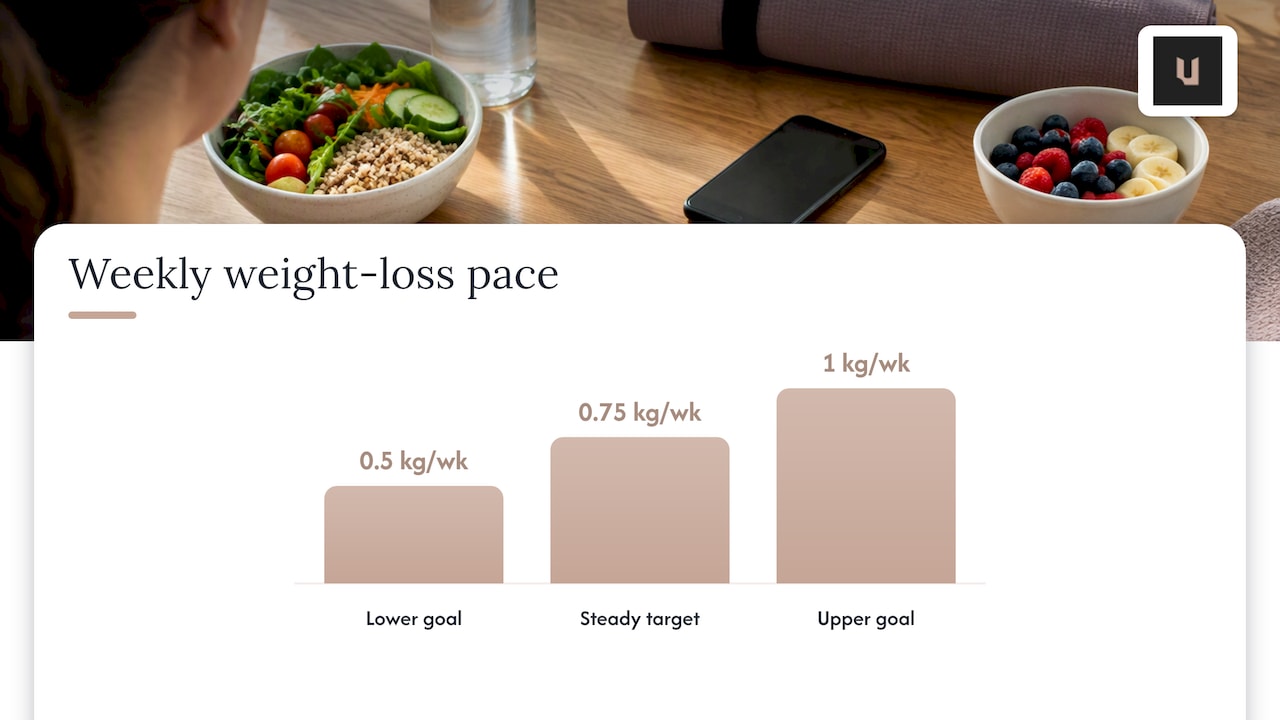
Pro Tip: Track your waist measurement, sleep quality and mood weekly rather than focusing only on the scale, and if weight loss is a goal, aim for a steady 0.5 to 1 kilogram a week rather than a rapid drop.
Putting this plan into practice is often the hard part, which is where structure helps. Unit Health & Performance specialises in small group personal training for people over 40, built around personalised coaching and community support rather than generic workouts. Members get individualised training plans and nutrition accountability designed to support consistent activity, better sleep habits and stress resilience over time. The gym has supported numerous members through many completed workouts.

The honest view is that quick fixes often backfire here. Extreme dieting or punishing exercise regimes can themselves raise stress hormones, undoing the benefit they were meant to deliver. Small, consistent changes beat dramatic ones, and the metrics worth watching are sleep quality, waist measurement and mood, not just the number on the scale.
— Vitalij
If you want guided structure rather than figuring this out alone, Small Group PT and nutrition accountability give you a built-in framework for hitting weekly activity targets, steadying eating habits and protecting sleep. This suits people who do better with scheduled sessions and a coach checking in, rather than an app or a plan left to willpower alone. If that sounds like what you need, take a look at Small Group PT as your next step.

This article is general information, not a substitute for advice from a qualified doctor. Consult a qualified healthcare professional about your own circumstances before acting on anything here.
Cortisol-related weight gain tends to show up as fat around the abdomen and face rather than evenly across the body. In more pronounced cases linked to steroid medicines or Cushing’s syndrome, it can appear alongside thinner arms and legs, a rounder face and new stretch marks, which is different from ordinary stress-related weight gain.
Common signs include persistent low mood, poor concentration, disrupted sleep, irritability, changes in appetite and tiredness that does not lift with rest, as outlined in NHS guidance on stress. Physical signs such as headaches, muscle tension or stomach problems can also appear alongside these.
Improving sleep, meeting the UK CMO activity targets of 150 minutes of moderate exercise weekly plus strength work, and reducing processed snacks and late evening meals are the most evidence-based starting points. Adding a stress reduction practice, such as scheduled breathing exercises or therapy where needed, addresses the hormonal and behavioural sides together.
Stress can contribute to weight gain through raised cortisol, which encourages fat storage around the abdomen, and through behaviour changes such as poorer food choices and disrupted sleep. A 2021 meta-analysis found a small but consistent link between stress and increased unhealthy food intake across nearly 120,000 adults.