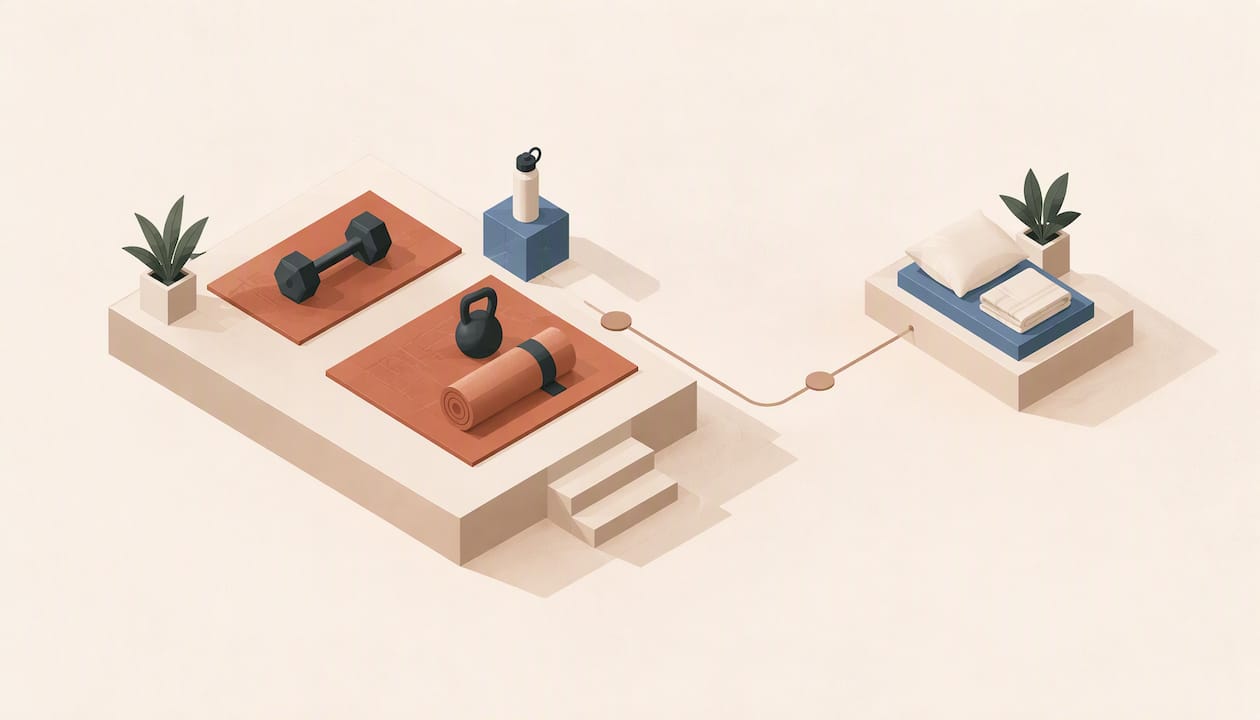
For heavy strength gains and structured coaching, the gym wins. For convenience and building the habit in the first place, home wins. Most people do best with a hybrid of both, because the research keeps pointing to the same thing: effort and consistency beat location almost every time. If you want the full breakdown before you commit, the decision framework below covers it.
TL;DR:
- Strength-focused training benefits more from gym access to heavy equipment and professional coaching for progressive overload.
- Home workouts work well for building habits, saving time and money, but face plateaus without heavier load options or equipment variations.
- Effort and consistency predict results more than whether training occurs at home or in a gym, with similar cardiorespiratory improvements shown in research.
- A hybrid approach combining gym classes or coaching with home workouts often provides the best balance of accountability, variety, and convenience.
- Long-term adherence relies more on social motivation and structure than environment, making small-group training a valuable option for sustained progress.
A gym gives you three things a living room rarely can: heavy kit, live coaching, and other people. If your goal is maximal strength, that’s not a small advantage. Barbells, plates and adjustable machines let you keep adding load in small increments for years, which is what progressive overload actually requires once you’re past the beginner stage.
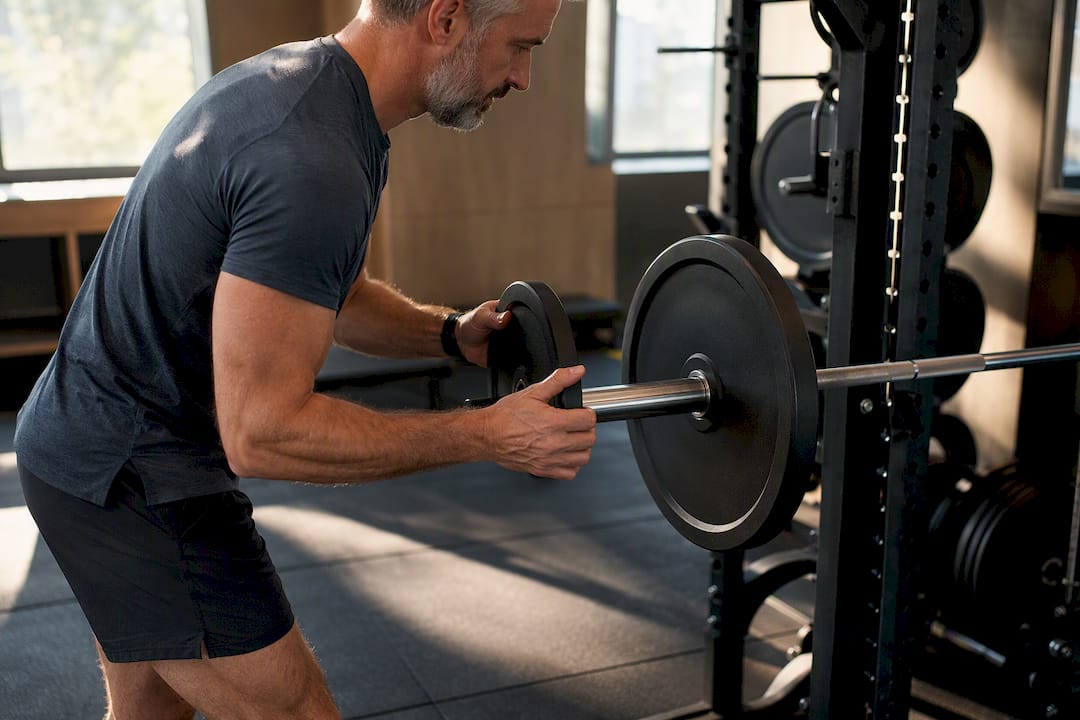
Coaching matters more than most people admit. A trainer correcting your squat depth on day one can save you months of bad movement patterns, and class formats give you built-in structure when you can’t be bothered to plan a session yourself.
There’s also a social effect that’s easy to dismiss until you’ve felt it. Training next to someone stronger than you tends to push your own output up, a phenomenon researchers call the Kohler effect, where one study found plank duration increased noticeably when paired with a more capable partner. Live group classes carry a similar edge: one trial found they produced roughly 9% higher heart rates and greater enjoyment than streamed or on-demand versions of the same workout.
Gyms have real downsides too. Membership costs add up, commuting eats time, and peak hours mean queuing for equipment. Weigh those against what you’re actually training for.
Pro Tip: If social accountability is what you’re missing, small-group training gives you the Kohler effect without the intimidation of a packed commercial gym floor.
Home training wins on two fronts: time and cost. No commute, no membership fee, no waiting for a rack. For people juggling work and family, that convenience is often the single biggest factor in whether they train at all.
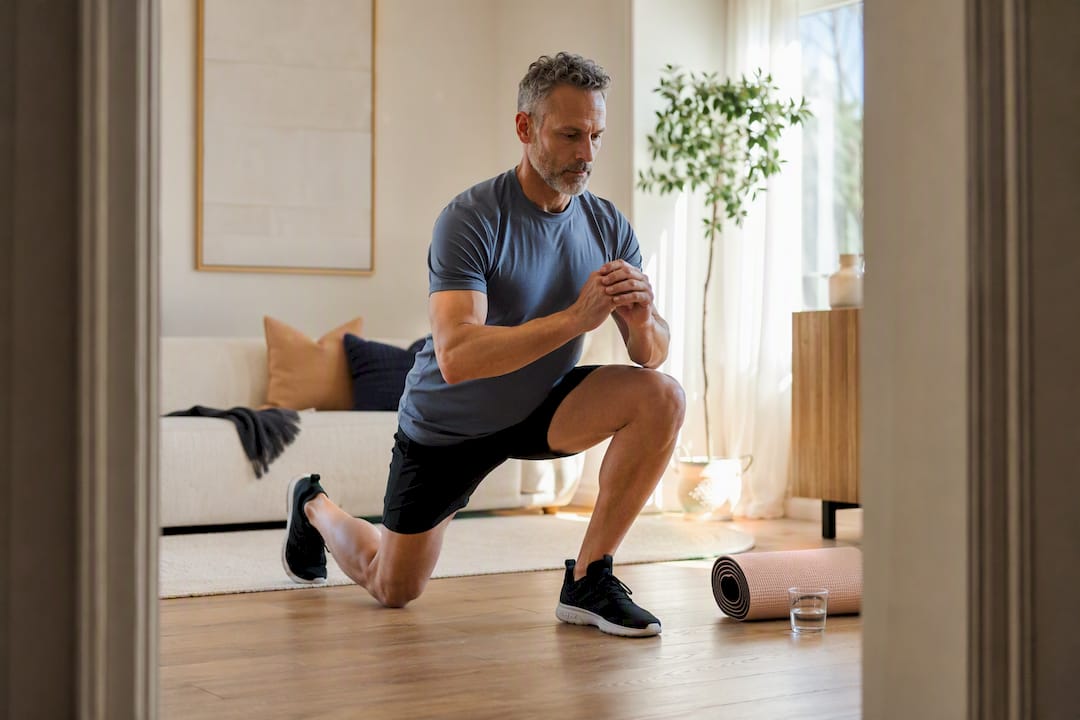
Digital formats have changed what’s possible at home. Live-streamed classes tend to keep intensity and enjoyment closer to in-person sessions, while on-demand video, though more flexible, tends to produce lower intensity and satisfaction than either. Neither is wrong, they just suit different needs. If you’re short on time, on-demand fits around a chaotic schedule. If you want closer to a class feel, live-streamed sessions are worth seeking out.
You don’t need a home gym full of equipment to make real progress. Bodyweight progressions, resistance bands and a couple of kettlebells cover most hypertrophy and cardio goals for a long time before you hit a ceiling.
Home training suits anyone building a new habit, working odd hours, or simply preferring privacy while they get started. The catch is plateaus. Without a way to add load, most people stall within a few months. Fix it with tempo changes, single-limb variations and rep-range shifts, small tweaks that mimic the effect of adding weight when you don’t have a barbell.
Pro Tip: Track one measurable number each week, whether that’s reps, rest time, or kettlebell weight. Without it, “progress” at home is just a feeling, and feelings plateau quietly.
The clearest evidence comes from a UK trial comparing home-based HIIT with gym-based moderate-intensity training over 12 weeks. When intensity was matched, both groups improved cardiorespiratory fitness by similar amounts: gym training improved VO2peak by 3.9 ml/kg/min versus 2.8 for home HIIT, a gap not considered meaningfully different for general fitness outcomes.
That single data point tells you something important: location isn’t the variable that decides your result. Intensity and consistency are.
Group formats still carry a distinct edge for enjoyment and effort. Live classes, in the same PMC comparison already referenced, beat both streaming and on-demand formats on heart rate and perceived exertion. That doesn’t make home training inferior, it just means solo sessions ask more of your own discipline to reach comparable intensity.
Zoom out further and the pattern holds. Systematic reviews looking at thousands of participants across training settings consistently find that effort, programme quality and adherence predict results far more reliably than where the training happens.
A few caveats worth flagging:
The honest takeaway: the setting matters less than whether you actually show up and push.
Rather than picking a side in the abstract, work through this in order.
Certain signals point clearly one way. Choose a gym if you need heavy progressive overload, clinical supervision after injury, or you know you train harder in a group. Choose home if time is scarce, budget is tight, or you value privacy while building the habit.
Many people land somewhere in between. A common hybrid: two live classes a week for accountability and intensity, plus two short home sessions targeting whatever your class programme doesn’t cover. Surveys suggest 85% of regular gym-goers already mix in some home training, so this isn’t a compromise, it’s the norm.
If you do look at a gym, ask direct questions before signing anything.
Red flags: no trial option, vague answers about programming, or trainers who never adjust your technique.
Pro Tip: Write your baseline number down before you start. Memory flatters progress; a written log doesn’t.
The research keeps circling back to one point: people who train with others and get some structure stick with it longer than people relying on motivation alone, highlighting the benefits of accountability in fitness. That’s not a surprising finding, but it’s one gyms and generic advice both underplay.
Small-group coaching sits in an interesting middle ground. It offers social motivation and live coaching you’d get from a class, with personal attention to better fit your programme to your needs. For anyone who’s tried and abandoned home workouts three times already, that combination tends to matter more than any equipment list.
— Vitalij
If the framework above points you towards structured coaching with built-in accountability, some gyms offer small group personal training with individualised programming inside a group setting, giving you social motivation and live coaching without one-to-one rates.
The service suits people over 40 rebuilding strength safely, busy professionals who need the accountability a home setup can’t provide, and parents looking for structured youth athlete development covering speed, agility and power. Unlimited fitness classes are also available for those who want group training without the individualised programme.
If you’ve read this far and suspect home training alone isn’t giving you the push you need, book a look at small group personal training and see whether the trial period suits your goals.
For cardiorespiratory fitness, yes, when intensity is matched: a 12-week UK trial found similar VO2peak improvements between home HIIT and gym training. For maximal strength, gyms still have the edge because of heavier, more adjustable equipment.
Two weeks off typically causes minor losses in cardiovascular fitness and some strength, but most of this reverses quickly once training resumes. It’s rarely a setback worth worrying about for regular trainers.
Definitions of this rule vary online and no single version is well established in research, so treat any specific claim about it cautiously rather than as settled advice.
Yes. Bodyweight progressions, resistance bands and basic kettlebell work can drive hypertrophy for most people, provided you keep adding difficulty through tempo, range of motion, or rep changes. Progress usually stalls only once you run out of ways to make the movement harder.